HOME
HIV/AIDS HOTLINES
HIV BASICS
POSITIVE PROFILES
ASO SPOTLIGHT
RECENT ARTICLES
HOW TO PAY FOR HIV TREATMENT AND MEDICATIONS
ADAP CRITERIA AND FORMULARIES
ASO LISTINGS
REVIEW OF HIV MEDICATIONS
2011 HIV/AIDS FUNDRAISING ACTIVITIES & EVENTS
ABOUT HIV POSITIVE! MAGAZINE
LINKS
SUBSCRIBE
CONTACT US
ADVERTISER INFORMATION
Hepatitis C Co-Infection
If you are both HIV-positive and infected with Hepatitis C, you’re not alone! Approximately 33% of people living with HIV/AIDS are also co-infected with Hepatitis C (HCV). Hepatitis C can act like an opportunistic infection, cause insulin resistance which can lead to diabetes, and cause injury to liver cells which may lead to cirrhosis (long-term damage to the liver) or liver cancer. One study suggests that the risk of advancing liver disease is seven times higher in people with AIDS defining symptoms. Things that may speed the progression of Hepatitis C include: obesity, male gender, being over 40 years of age at the time of infection, smoking, low vitamin A & carotene levels, and consuming more than three alcoholic drinks per day.
Your liver is a powerful organ that filters out medications, alcohol, hormones, waste and toxins. Your liver makes bile which is needed to digest fat and it also makes cholesterol, sugars, amino acids, and triglycerides. The liver helps your body break down food into nutrients and stores vitamins and minerals. It also helps with your body’s long-term storage of carbohydrates.
If you have Hepatitis C, what can you do to help keep it under control? Well, if you smoke cigarettes, quit! If you drink alcohol, stop. Alcohol has a strong toxic effect on liver cells. If you must drink alcohol, limit yourself to one drink per occasion.
You’ll also want to follow an eating plan that helps take care of your liver. Good nutrition can help repair damaged liver cells and help the liver form new cells.
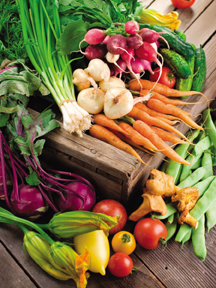
(Important for vitamins, minerals, phytonutrients, and antioxidants)
| Almonds | Asparagus | ||||
| Avocado | Barley | ||||
| Beans | Beets | ||||
| Brazil Nuts | Broccoli | ||||
| Butternut Squash | Carrots | ||||
| Cayenne Pepper | Cinnamon | ||||
| Dill | Eggs | ||||
| Flaxseed | Garlic | ||||
| Ginger | Lemon | ||||
| Melon | Oatmeal | ||||
| Onions | Papaya | ||||
| Peanuts | Plantains | ||||
| Salomn | Sardines | ||||
| Sesame | Soybeans | ||||
| Spinach | Tomatoes | ||||
| Tuna | Walnuts | ||||
| Wheatgerm | Whey Protein | ||||
| Whole-grains |
You need antioxidants to prevent oxidative stress and free radical damage that can contribute to increased liver damage. Levels of selenium, gluthatione, and vitamins A, C, and E have been found to be significantly lower in people living with Hepatitis C. You may also want to consider taking dietary supplements for nutrients that you may not be able to get in large enough quantities through food.
Liver-Friendly Supplements:
Selenium - low selenium levels have been associated in large studies with increased risk of liver cancer. There also appears to be a protective role of selenium against hepatitis and liver cancer. Recommended dose via food and supplements is: 200 mcg/day. One brazil nut contains 100 mcg of selenium!
N-Acetyl Cysteine (NAC) - NAC is essential to the body because it helps make glutathione. Glutathione helps cleanse the liver of toxins. Low glutathione levels are common in people with cirrhosis, HIV and Hepatitis C. NAC is an antioxidant that helps increase glutathione levels in people living with HIV. Glutathione is also an antioxidant that helps keep the immune system functioning well. Recommended dose via food and supplements is: 1000-2000 mg. Whey protein powder is an excellent source of NAC.
L-Glutamine - glutamine also helps increase glutathione levels. It is the most abundant amino acid in the body and its primary function is to maintain the health of your gut. Recommended dose via food and supplements is: 5-20 grams/day. If you want this level of glutamine in your body, you’ll need to take glutamine in powder supplement form. The major natural source of glutamine is in raw meats, but people with HIV should avoid raw and undercooked meats!
Alpha Lipoic Acid (ALA) - ALA is an antioxidant that is used within the liver cells where it can regenerate glutathione and boost glutathione levels. Alpha Lipoic Acid works together with other antioxidant Vitamins C & E to decrease oxidative stress. Recommended dose via food and supplements is: 100-200 mcg/day.
Vitamin E - is a fat soluble antioxidant that protects the immune system, fats, vitamin A, and cell membrane from oxidative stress. There is emerging evidence to suggest that Vitamin E can have a positive effect on liver enzyme levels and inhibit cirrhosis. Recommended dose via food and supplements is: 200-800 IU/day.
Milk Thistle (silymarin) - is an herb that is a potential liver-protectant. It is a antioxidant that can help repair liver cells by displacing toxins that try to enter the liver. Most studies have used the 80% silymarin standardized extract. Milk thistle is generally well-tolerated, but it can have a laxative effect and cause gut upset. Recommended dose via supplements is: 400-600 mg/day. You cannot get silymarin in your diet other than by taking a supplement.
There are many food and drug and supplement interactions that go beyond the scope of what this article can cover. Therefore, as always, make sure you discuss your supplementation plan with a qualified health care professional.
About the author:
 Alan Lee, RD, CDE, CDN, CFT, is the nutritionist at the Greyston Health Services Positive Impact Primary Care Clinic and Maitri Adult Day Healthcare Program in Yonkers, NY. He also currently works as a consultant for various HIV/AIDS Service Organizations including the Asian & Pacific Islander Coalition on HIV/AIDS (APICHA) and TOUCH of Rockland County. He also has a private practice with Astor Medical Group. He is currently the Alliance/Membership Chair for the HIV/AIDS Dietetic Practice Group, the Co-Chair of Nutritionists In AIDS Care (NIAC) and the Nutrition Track Co-Chair for the Association Of Nutrition Services Agencies (ANSA). He is a national speaker on nutrition and wellness and can be reached at (212) 229-2298 and AlanLeeRD@yahoo.com.
Copyright 2011, Positive Health Publications, Inc.
This magazine is intended to enhance your relationship with your doctor - not replace it! Medical treatments and products should always be discussed with a licensed physician who has experience treating HIV and AIDS!